Filtration
Systems That Protects What Matters Most - Your Home.
Our Whole-Home Filtration Systems provide real peace of mind — removing unwanted contaminants like chlorine, iron, sulphur, manganese, tannins, sediment, chemicals, and odors from every tap in your home. Cleaner dishes, brighter laundry, softer skin, and better water for your family, your appliances, and your health.
“What’s really in my water?”
From city water to rural wells,
more and more Canadians are asking the same question:
Filters every faucet
— Safe, clean water for drinking, bathing, cooking, and laundry
💧
Sediment filtration
— Reduces chlorine, sulfur, and other common odors
💧
💧
Healthier skin & hair
— Removes irritants that dry out skin and hair
Protects your plumbing — Reduces sediment buildup in pipes, fixtures, and appliances
💧
Custom solutions
— Target specific contaminants based on your water source
Heavy-duty tanks
— Built to last with corrosion-resistant materials
Flexible setups
— Choose a standalone unit or combine with UV or softening systems
💧
💧
💧
🔎 What We Filter Out:
Chlorine & Chloramines
Sediment, sand & rust
Pesticides & herbicides
VOCs (Volatile Organic Compounds)
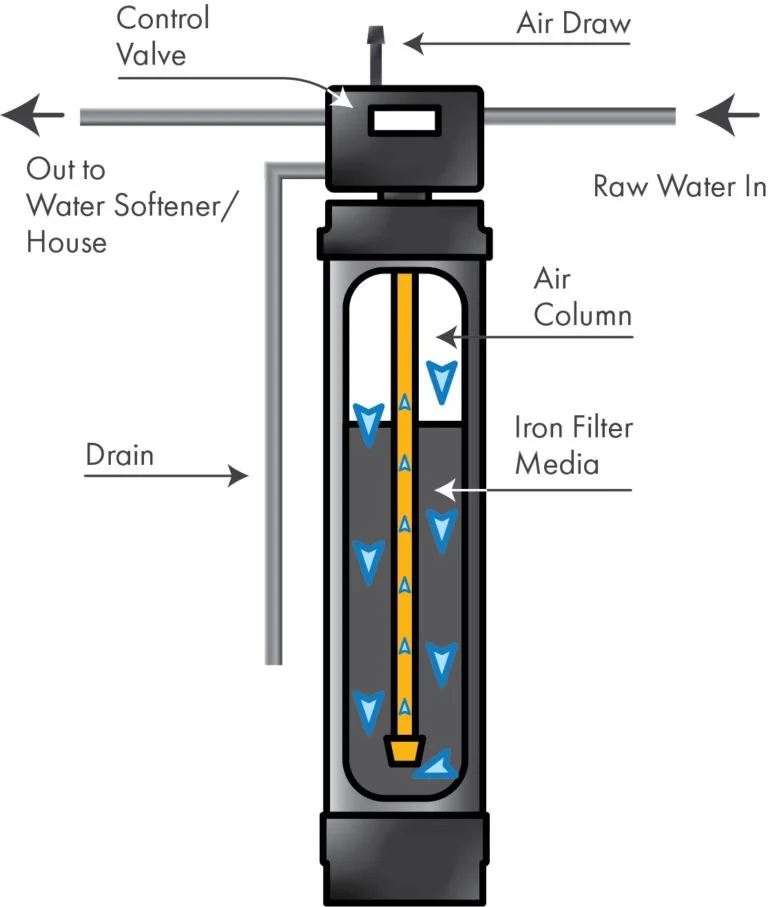
Iron, Sulphur, Manganese & rotten egg smell
Discoloration and cloudiness
Tannins
Iron, Sulphur, and Manganese
Filtration Systems:
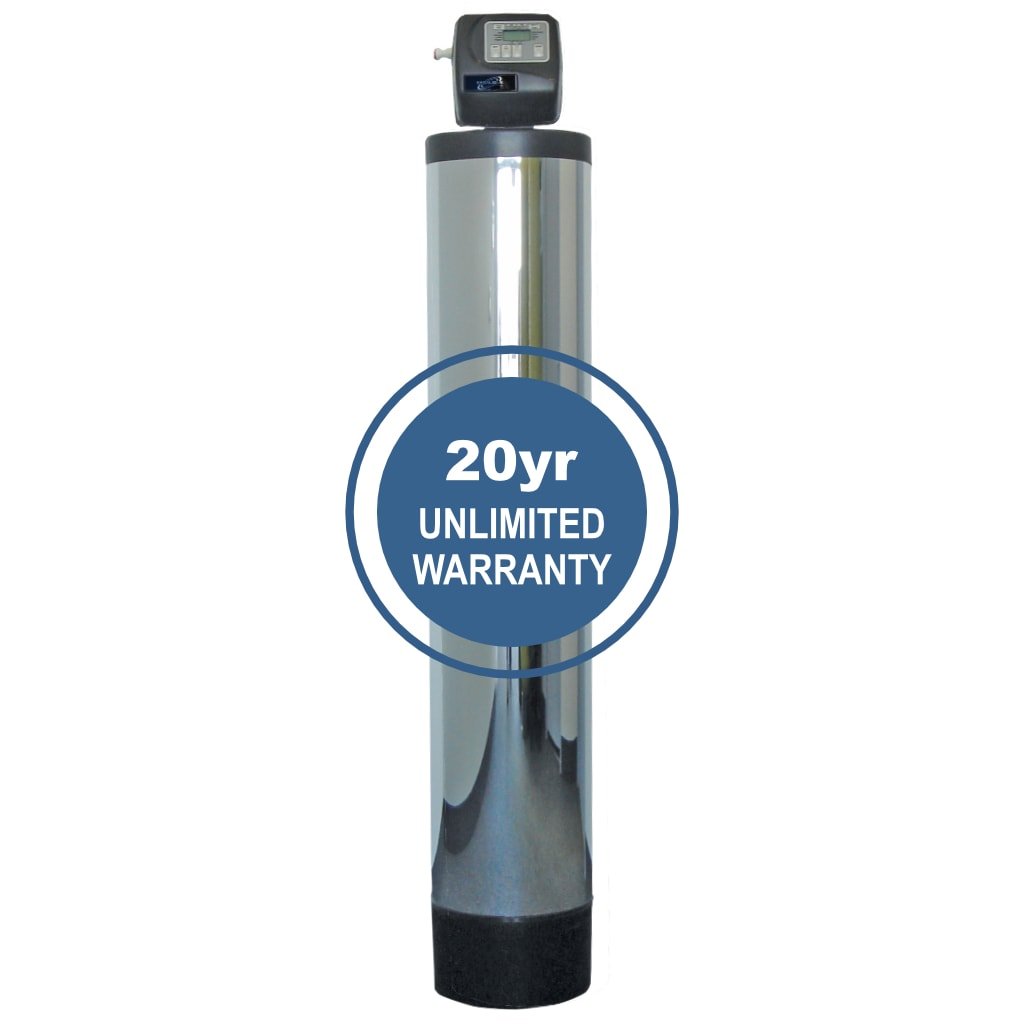
Premium Zentec™ Chemical-Free Iron, Sulphur, and Manganese Filter
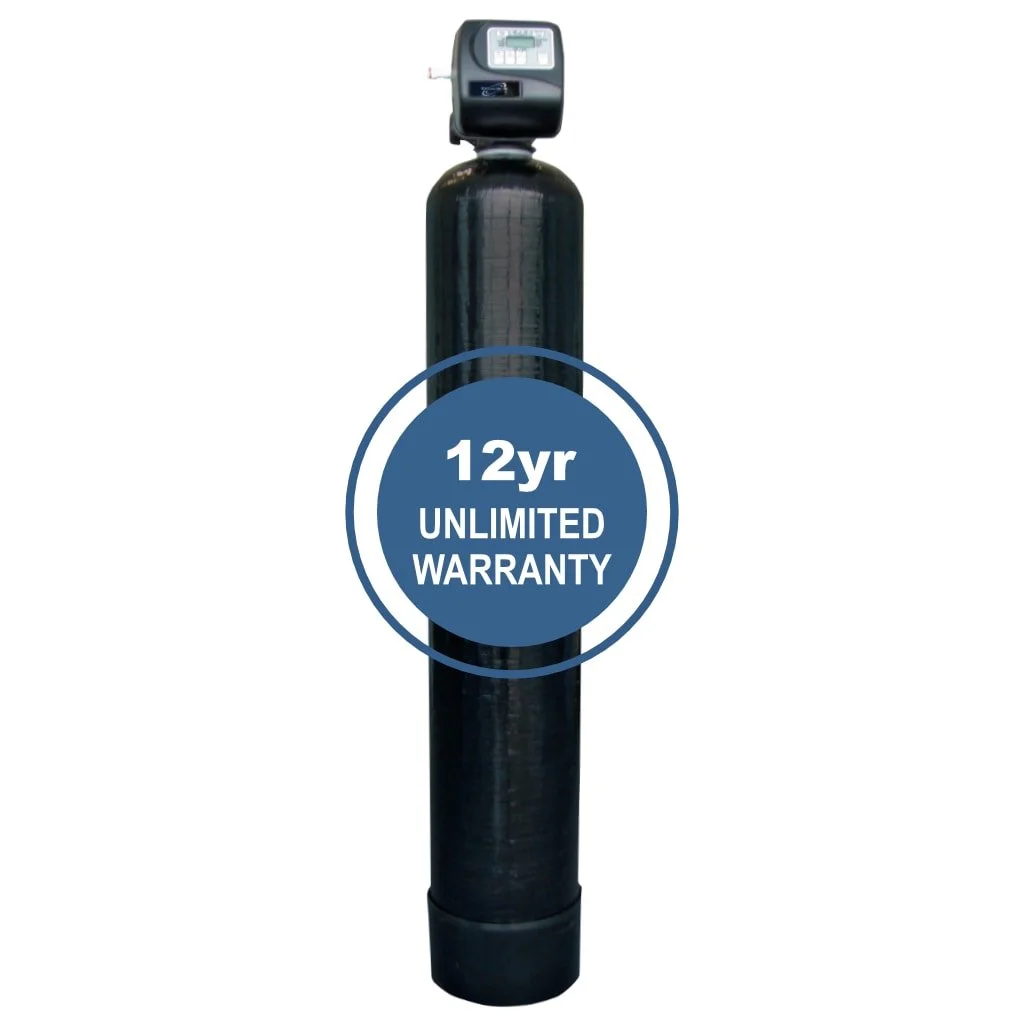
Superior Zentec™ Chemical-Free Iron, Sulphur, and Manganese Filter
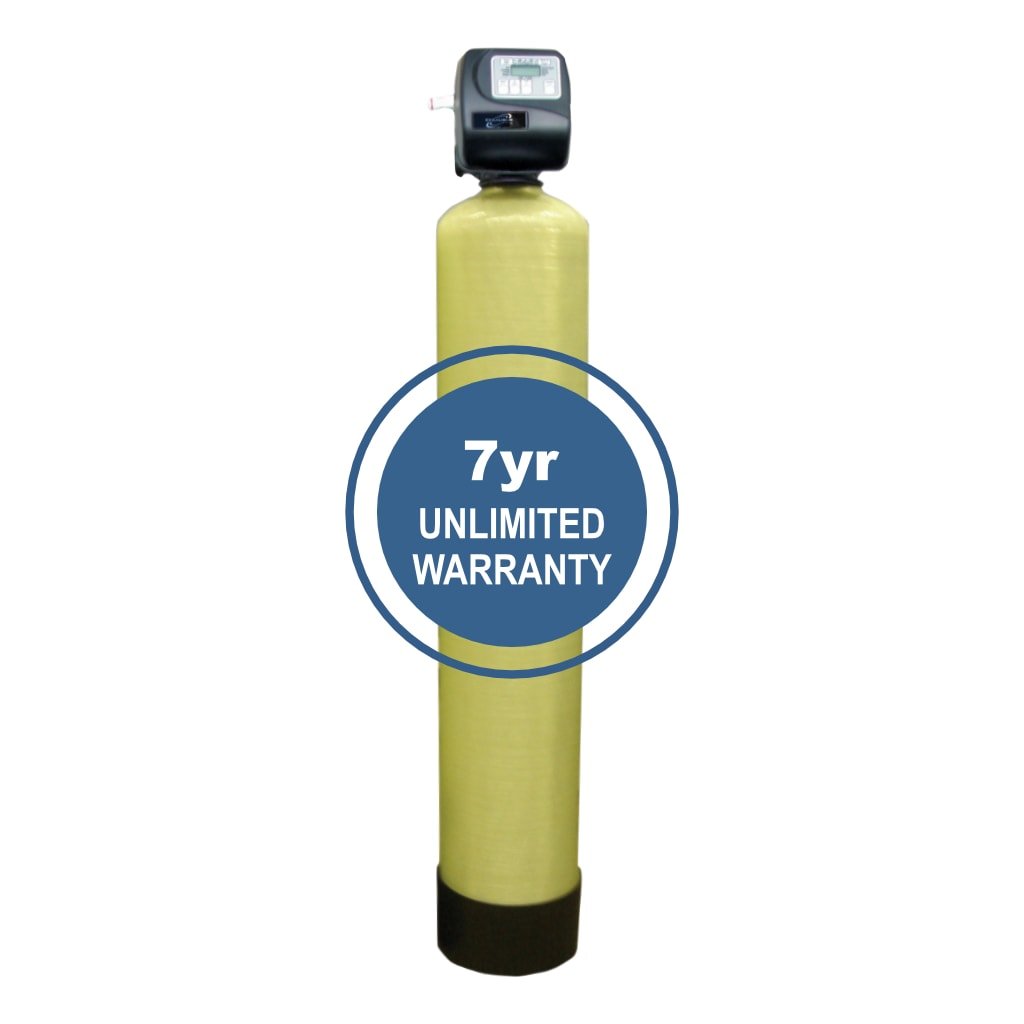
Value Zentec™ Chemical-Free Iron, Sulphur, and Manganese Filter
Tannin Removal Systems:
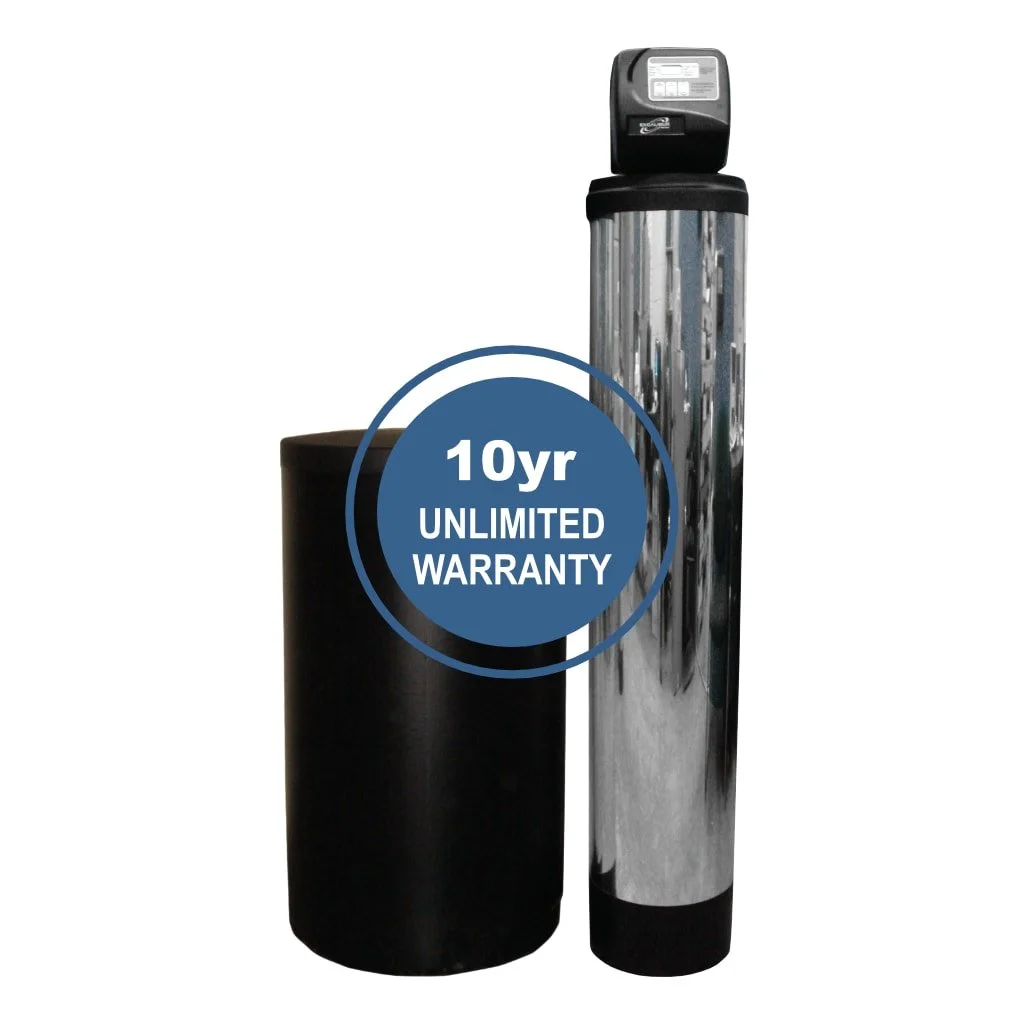
Filtermax™ Premium Tannin Filter
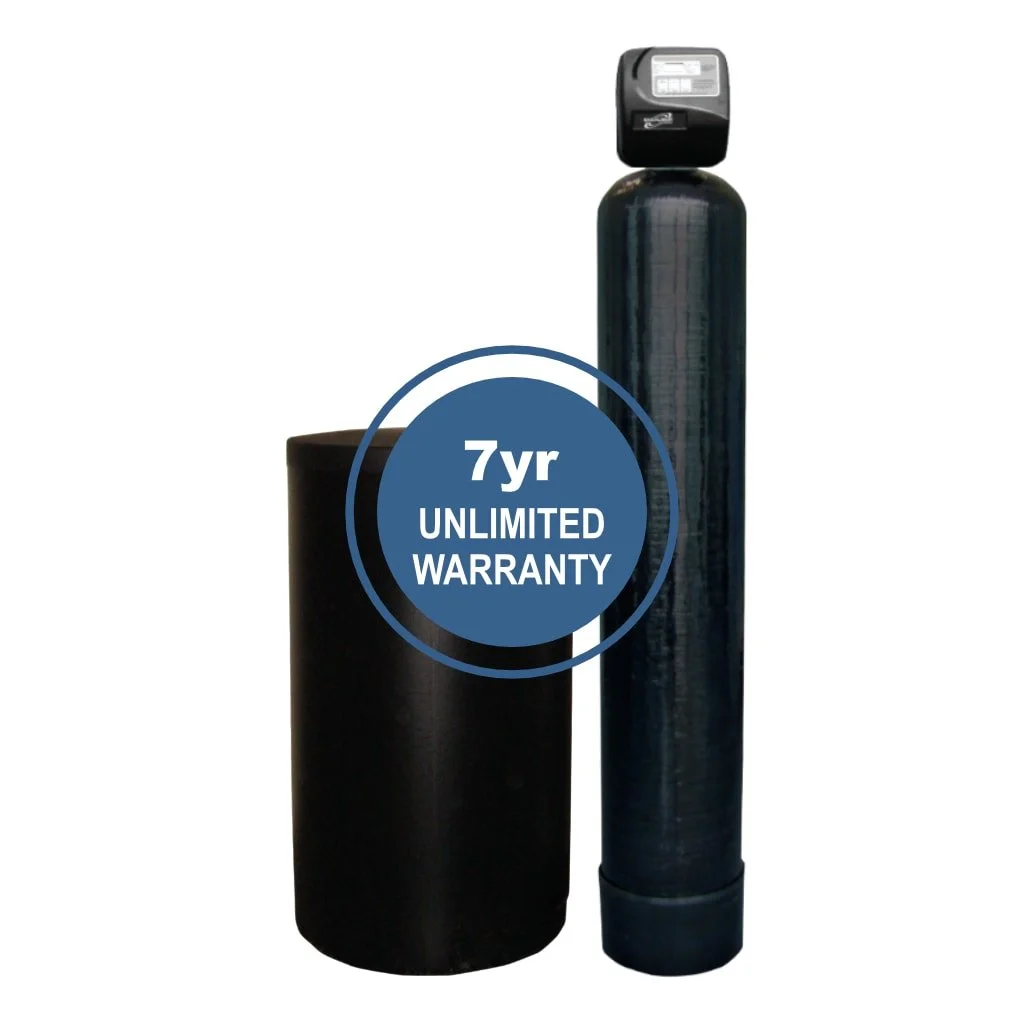
Filtermax™ Superior Tannin Filter
Filtermax™ Value Tannin Filter
Turbidity Removal Systems:
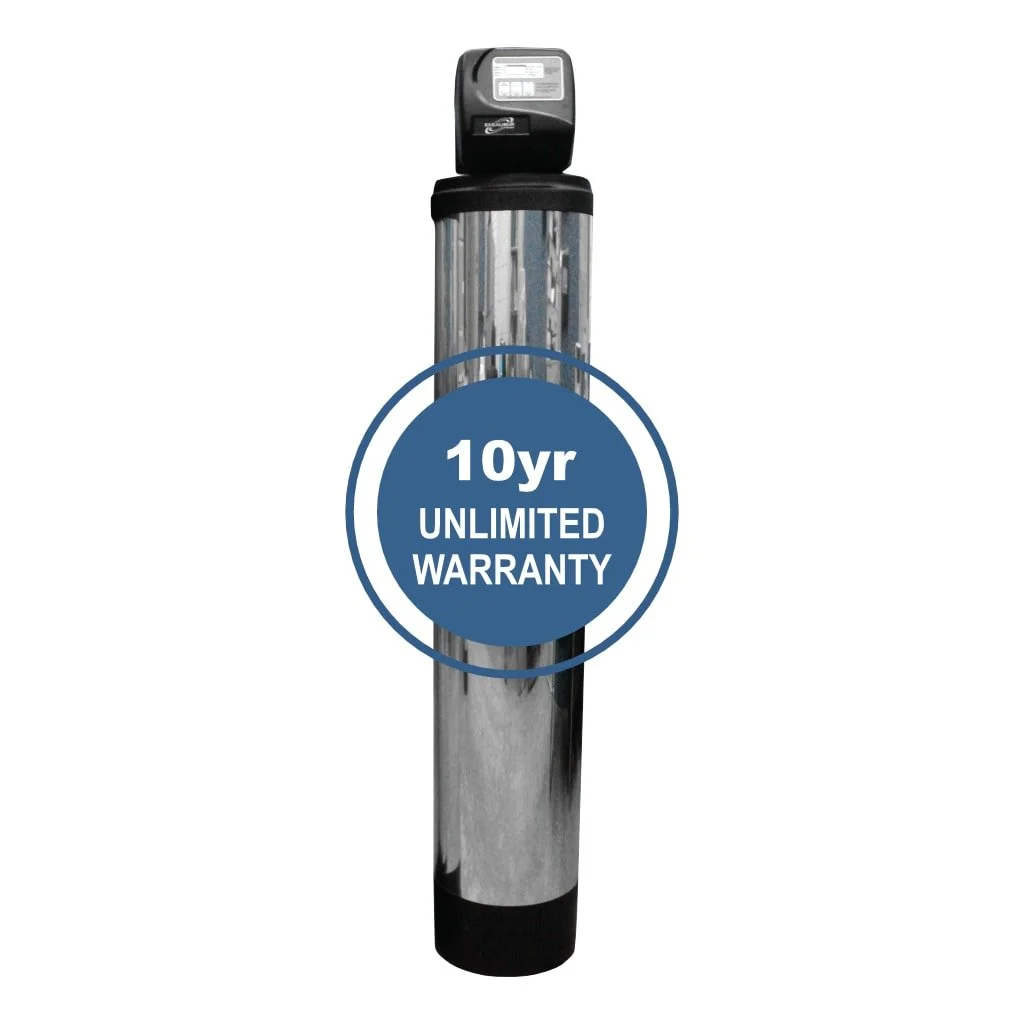
Filtermax™ Premium Turbidity Filter
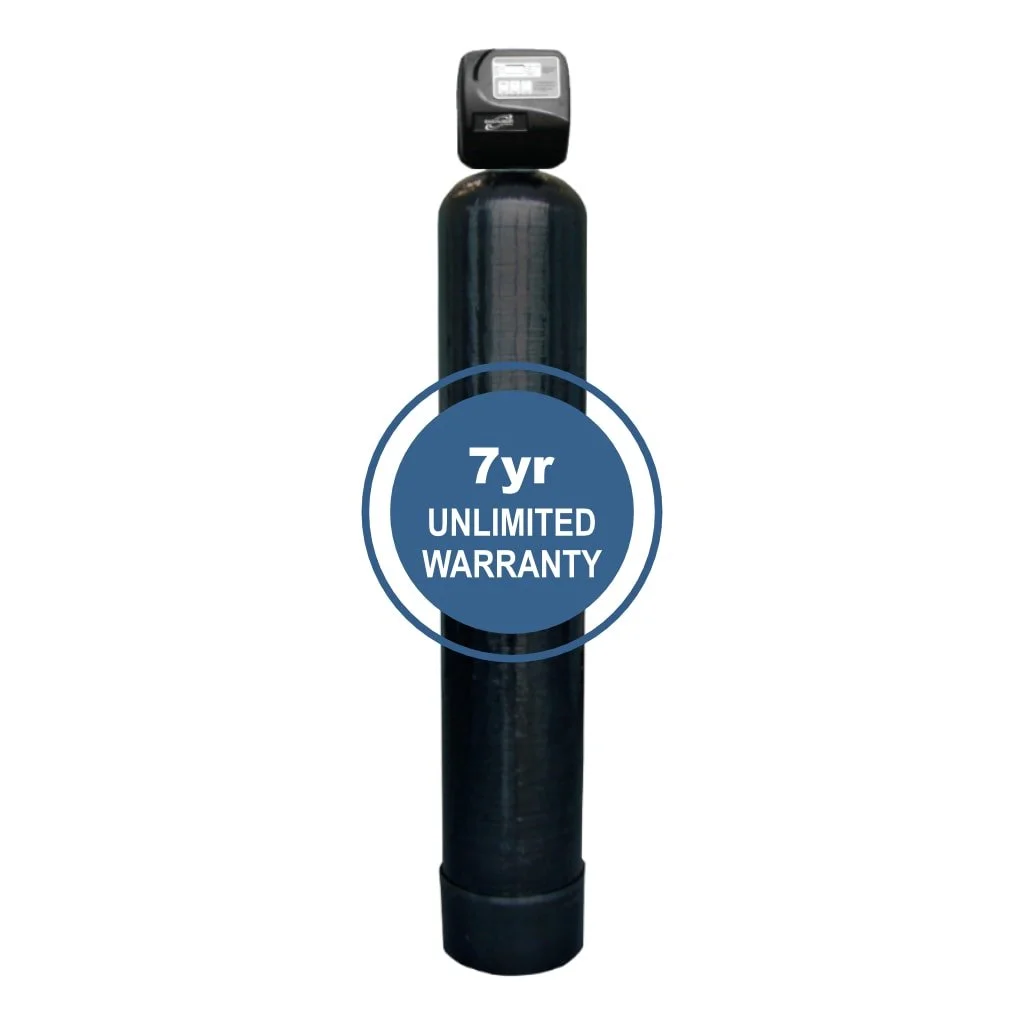
Filtermax™ Superior Turbidity Filter
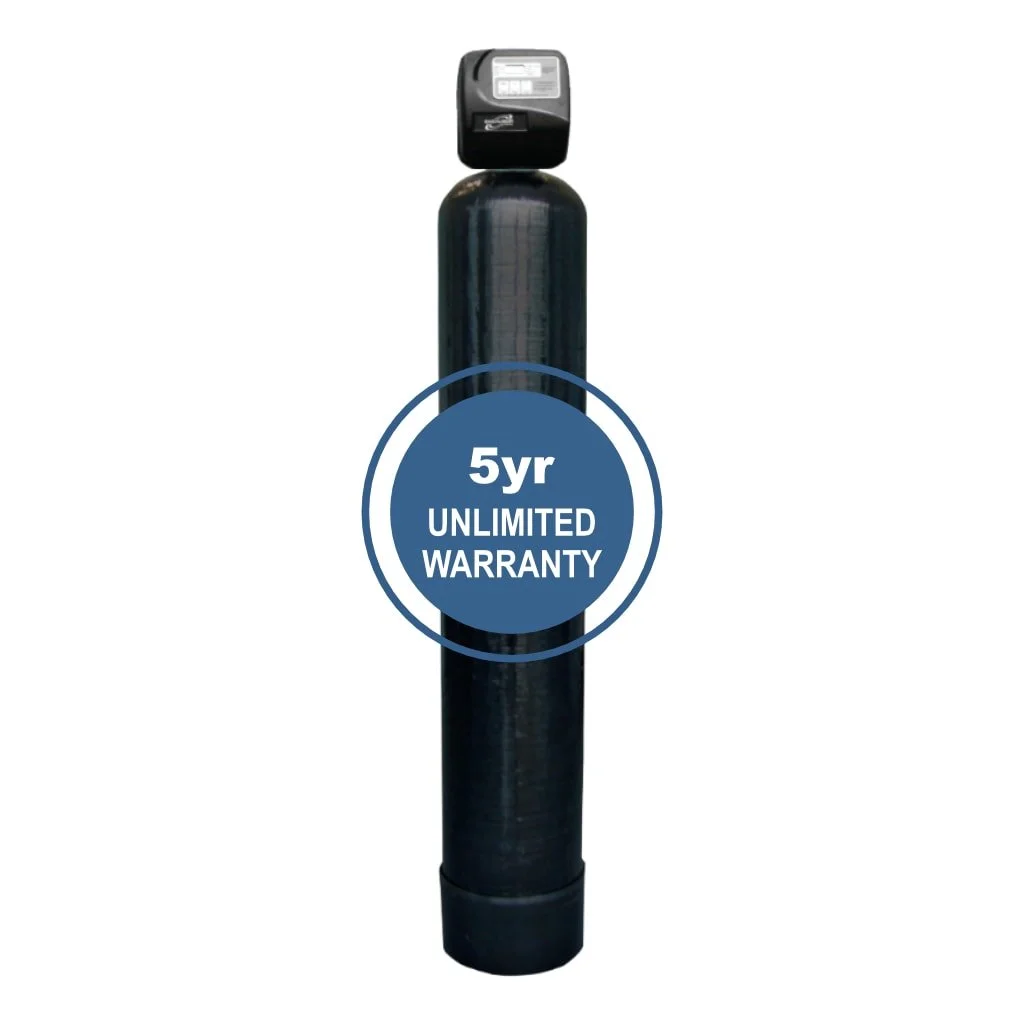
Filtermax™ Value Turbidity Filter
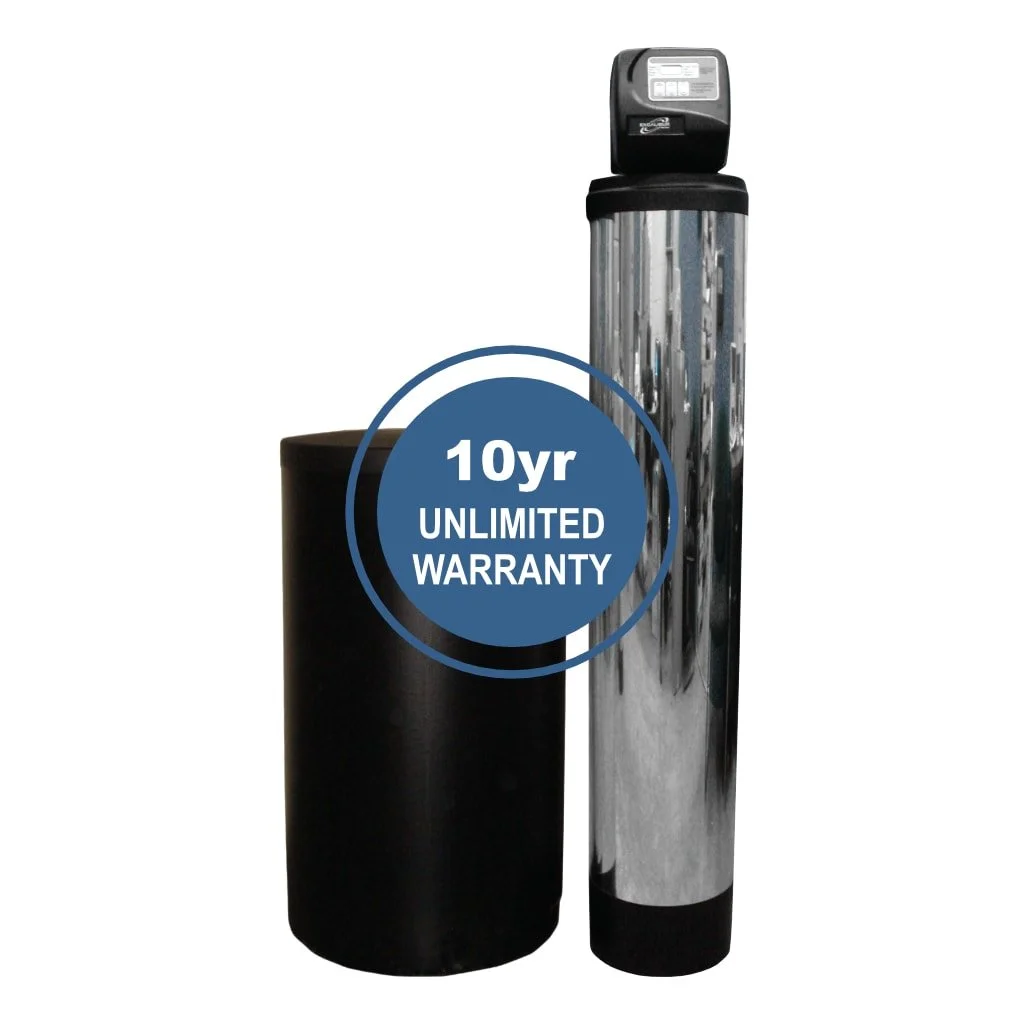
Nitrates Removal Systems:
Filtermax™ Nitrates Filter
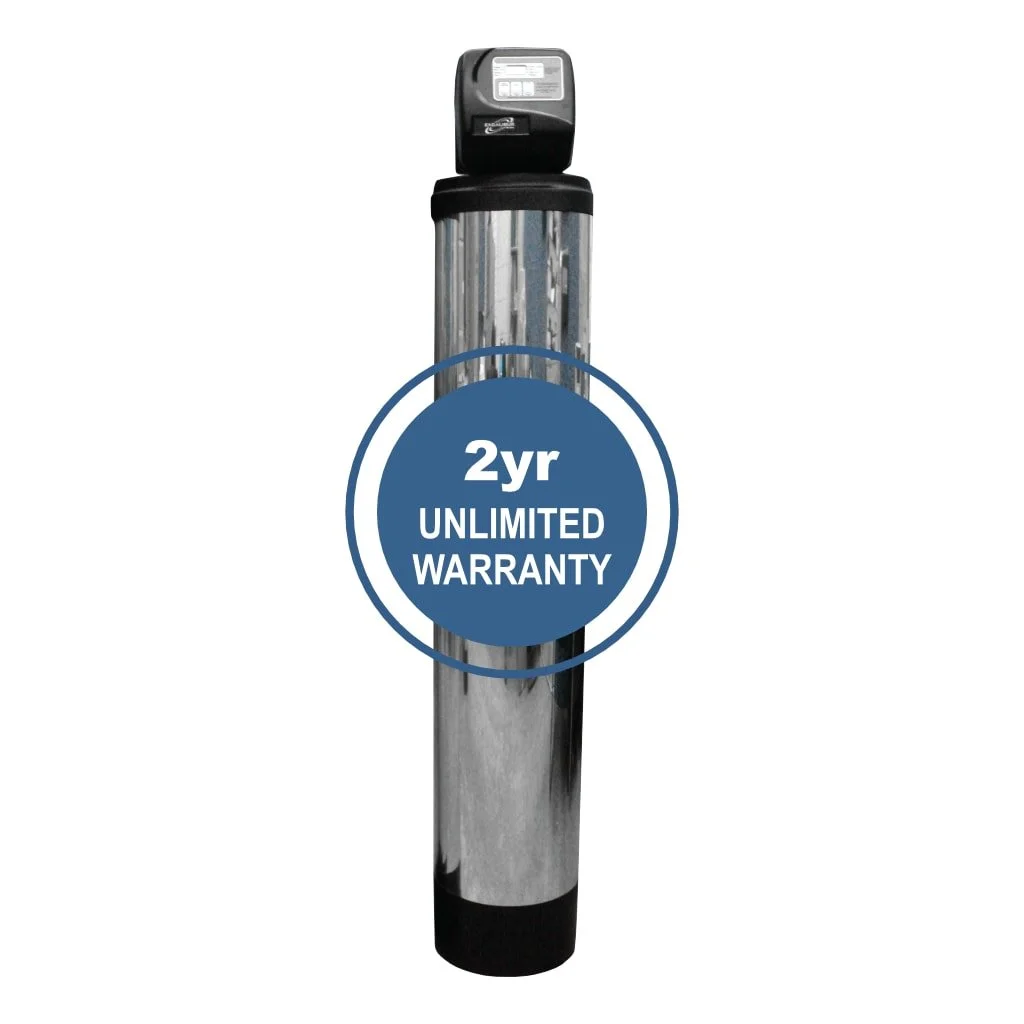
Arsenic Removal Systems:
Filtermax™ Arsenic Filter
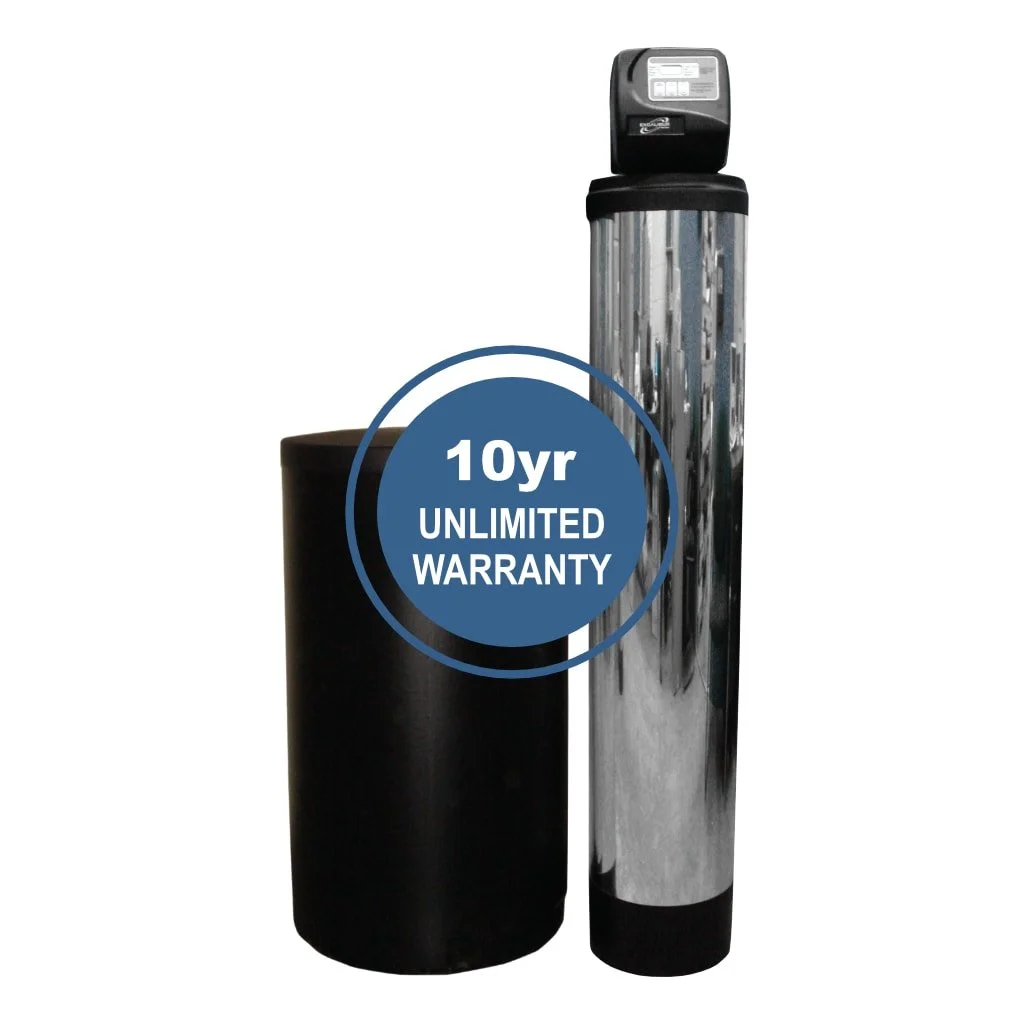
Uranium Removal Systems:
Filtermax™ Uranium Filter
Your Questions Answered
By Someone Who's Installed 2,000+ Systems Across Simcoe County
Q: What is the difference between a water filter and a water softener?
A: This is the most common question we get — and it matters because they solve completely different problems.
A water softener specifically targets hardness minerals — calcium and magnesium. It uses a process called ion exchange to remove those minerals and produce soft water throughout your whole home. It does not remove chlorine, bacteria, iron at high levels, or other contaminants.
A water filter targets a different set of problems — iron, sulphur, manganese, tannins, sediment, chlorine, turbidity, nitrates, arsenic, and other contaminants. Filters physically trap or chemically neutralize these substances before the water reaches your taps.
Most Ontario homes — especially on well water in Simcoe County — need both. A softener handles the hardness. A filter handles the iron, sulphur, and other contaminants specific to your water source. We test your water first and recommend only what your specific situation requires.
Q: My well water is orange and stains everything. What's causing it and can it be fixed?
A: Orange or rust-coloured staining is caused by iron in your water. It is extremely common in well water across Simcoe County, Barrie's groundwater zones, and rural areas throughout our service area.
There are actually three different forms of iron in water, and each requires a different treatment approach:
Ferrous iron (dissolved, clear water iron) — The water looks clear when it comes out of the tap but turns orange when it sits or is exposed to air. This is the most common form.
Ferric iron (particulate, red water iron) — The water looks visibly orange or brown right from the tap. The iron is already oxidized and in solid particle form.
Bacterial iron — Iron bacteria create a slimy, reddish-brown coating inside toilet tanks and pipes. This requires a specific treatment approach that differs from mineral iron.
This distinction matters because using the wrong filter for the wrong iron type does nothing. We test for iron type and concentration before recommending any system — which is exactly why you should call us before buying anything off a shelf.
Q: What is a tannin filter and do I need one?
A: Tannins are natural organic compounds that leach into groundwater from decaying vegetation, leaves, and soil. They're extremely common in well water throughout Simcoe County, cottage country, and areas near forests, wetlands, and lakes.
Signs you have tannins in your water:
Water has a yellow, tea-coloured, or light brown tint
Water tastes slightly earthy or musty
Laundry comes out with a faint yellowing
Water looks like weak tea, especially when held in a white glass
Tannins are not a health hazard — but they make your water look and taste unpleasant, and they can interfere with other treatment systems. A tannin filter removes the organic compounds responsible, producing clear, clean-tasting water.
If your water has a yellow tint and you're in a rural or cottage area, there's a strong chance tannins are present. A water test will confirm it.
Q: What causes cloudy or murky water, and is it dangerous?
A: Cloudy or murky water is caused by turbidity — suspended particles like sediment, clay, silt, or fine organic matter in your water. It's common in well water, particularly after heavy rainfall, spring snowmelt, or if your well casing has developed a crack.
Whether it's dangerous depends on what's causing it. Sediment and clay particles are generally not a health risk on their own, but turbidity can indicate that your well is vulnerable to surface water infiltration — which can carry bacteria, protozoa (like Giardia and Cryptosporidium), and other pathogens.
If your water has suddenly become cloudy and you're on a private well, we recommend testing immediately — especially for bacteria. A turbidity filter removes the particles and protects downstream equipment like UV systems and RO membranes. Combined with UV disinfection, it provides comprehensive protection for well water homes.
Q: I've heard there can be arsenic or uranium in Ontario well water. Is this real?
A: Yes — and it's more common than most people realize.
Arsenic occurs naturally in certain geological formations throughout Ontario, particularly in areas with granite bedrock. Parts of Simcoe County and surrounding regions have documented elevated arsenic levels in private well water. Long-term exposure to arsenic above Health Canada's guideline of 0.010 mg/L is associated with serious health effects including certain cancers.
Uranium is similarly present in Ontario groundwater in areas with certain rock types. Health Canada has set a maximum acceptable concentration for uranium in drinking water. Elevated uranium has been found in private wells in parts of the Georgian Bay area, Northern Simcoe County, and surrounding regions.
Neither arsenic nor uranium has any taste, smell, or colour — you cannot detect them without a test. If you are on a private well and have never tested for heavy metals, we strongly recommend doing so. We install certified filtration systems that reduce both arsenic and uranium to safe levels.
Q: What is the sulphur smell in my water and how do I get rid of it?
A: The rotten egg smell in water is caused by hydrogen sulphide gas — a naturally occurring compound produced when sulphur bacteria break down organic matter in groundwater. It is very common in well water throughout Simcoe County and rural Ontario.
It is most noticeable from the hot water tap because heat releases the gas. In severe cases it can be present in cold water too.
The smell is unpleasant but hydrogen sulphide at typical residential levels is not a direct health hazard. However, it does indicate the presence of sulphur bacteria in your water, which warrants further testing.
Treatment depends on the concentration level. At low levels, a carbon filter is often effective. At higher levels, an iron/sulphur/manganese filter like our Zentec™ Chemical-Free system handles it without the use of chemicals — no chlorine, no salt, no ongoing chemical cost. We test your sulphur levels before recommending a system.
Q: Do I need a whole-home filtration system or just a filter at the kitchen sink?
A: This depends entirely on what's in your water and what problem you're solving.
Under-sink filter only makes sense if: Your only concern is drinking and cooking water quality — taste, odour, or specific contaminants at the point of use. An under-sink carbon filter or RO system handles this.
Whole-home filtration makes sense if: You have iron, sulphur, tannins, or sediment — because these affect every tap in your home, every appliance, your laundry, and your plumbing. Running iron-heavy water through your washing machine and water heater damages them whether you're drinking it or not. Sulphur smell comes out of every shower in the house. These problems require treatment at the point of entry — before the water reaches any fixture.
Most well water homes in Simcoe County benefit from a point-of-entry system (whole home) for iron, sulphur, and sediment, combined with an under-sink RO for pure drinking water at the kitchen tap. We help you figure out exactly what your water needs — not what makes us the most money.
Q: How often do filtration systems need to be serviced?
A: It depends on the type of system and your water quality, but here are general guidelines:
Iron/Sulphur/Manganese filters (like our Zentec™ systems): These are largely self-maintaining — they backwash automatically on a programmed schedule. Annual inspections are recommended to check media condition and settings.
Tannin and turbidity filters: Self-backwashing systems similar to iron filters. Annual inspection recommended.
Sediment cartridge filters: These are disposable cartridge-style filters that need replacement every 3–12 months depending on your sediment load. Higher sediment = more frequent changes.
Arsenic and nitrate filters: Media replacement every 3–5 years typically, depending on contamination levels and water volume.
Carbon filters: Cartridge replacement every 6–12 months for under-sink units.
We offer maintenance plans across Barrie and Simcoe County — we track your system, remind you when service is due, and handle everything. You shouldn't have to think about it.
Q: Can you combine a water softener and an iron filter in the same system?
A: Yes — and for many Simcoe County well water homes, a combined approach is the most efficient solution.
At lower iron levels (under 3–5 ppm), a properly sized water softener can handle iron removal alongside hardness. At higher levels, a dedicated iron filter installed before the softener is the right approach — it removes the bulk of the iron before it reaches the softener resin, which extends the softener's life significantly.
The correct combination depends entirely on your iron levels, iron type, hardness, water flow rate, and household size. This is why we test first. One free water test gives us everything we need to design the right multi-stage system for your home — no guesswork, no overselling.
📞 Call 705-828-5285 to book your free water test across Barrie, Simcoe County, and surrounding areas.
Have a question we didn't answer?
Call us at: 705-828-5285
or email: info@purewaterservices.ca